

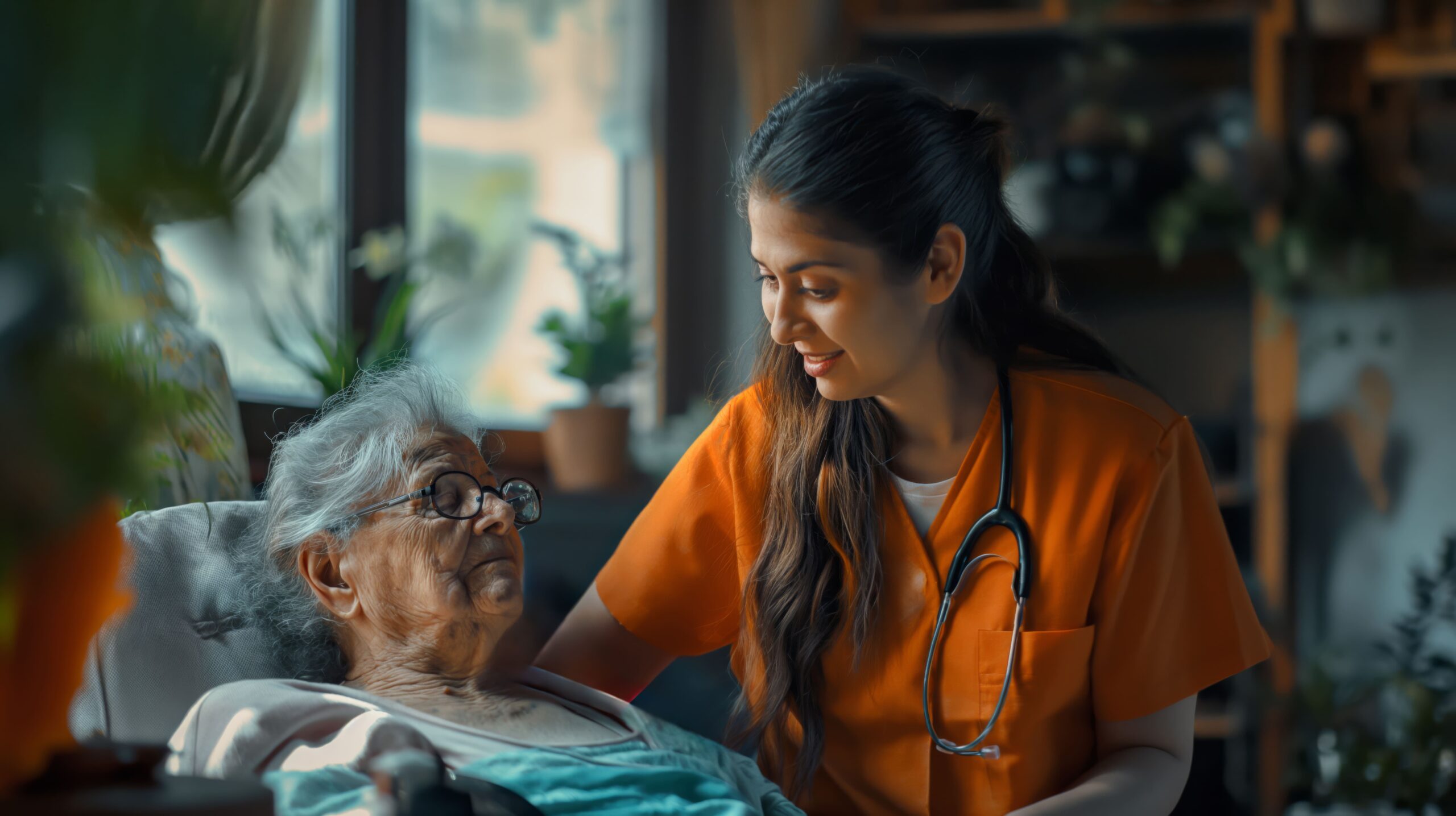

Medical Prevention & Regular Health Assessments
This is the clinical foundation, often coordinated with a primary care physician and specialists. Annual wellness visits help create personalized prevention plans that include medication reviews, risk assessments, and screening schedules. Key preventive screenings cover cardiovascular health (blood pressure, cholesterol, aneurysm checks), cancer (mammograms, colonoscopies, lung CT), bone health (DEXA scans), and metabolic disorders (diabetes and thyroid tests). Vaccinations such as flu, pneumococcal, shingles (50+), Tdap/Td, and COVID-19 boosters are also essential.

Physical Prevention: Maintaining Mobility & Strength
The goal is to prevent frailty, falls, and loss of independence. This includes fall prevention through home safety modifications, regular vision and hearing checks, and exercises like Tai Chi or water aerobics for balance and strength. Seniors should engage in 50–150 minutes of moderate physical activity weekly, along with muscle strengthening, flexibility, and balance exercises. Nutrition and hydration are equally important, emphasizing protein for muscle health, calcium and Vitamin D for strong bones, fiber for digestion, and consistent fluid intake.

Cognitive & Mental Health Prevention
A healthy mind is vital for overall well-being. Seniors are encouraged to engage in brain-stimulating activities such as puzzles, reading, learning new skills, music, or strategy games. Social interaction with family, friends, senior centers, and community groups plays a critical role in combating loneliness and isolation. Mental health check-ins are important to detect depression or anxiety early, promote open conversations, and seek professional counseling or therapy when needed.

Social & Emotional Prevention
Maintaining a sense of purpose and connection is crucial for healthy aging. Regular contact with family, friends, and community members, supported by technology like video calls, helps strengthen emotional well-being. Engaging in meaningful activities such as volunteering, gardening, or pursuing past hobbies fosters a strong sense of identity, fulfillment, and joy in daily life.